

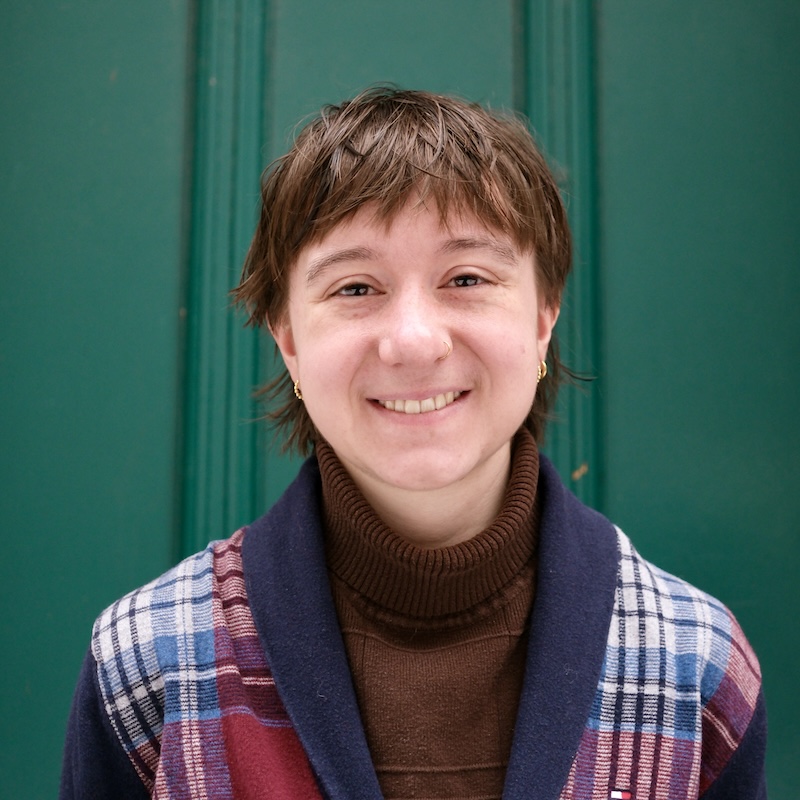
I Roll to Remember the Past: The Creation of an Interdisciplinary-Informed Game to Explore Nostalgia
What is nostalgia? Are there any universal constants of individual experiences with nostalgia? Can you intentionally evoke feelings of nostalgia?
This project analyzes the phenomenon of nostalgia through an interdisciplinary lens and seeks integrate our own lived experiences with nostalgia within the typical academic definitions of it. I question our typical conceptions of nostalgia and explore alternative understandings of what nostalgia could be and could entail. By approaching nostalgia from a variety of perspectives, I then aim to create a tabletop roleplaying game (TTRPG) that allows for players to have an intentional space to better understand and explore their own experiences of nostalgia.
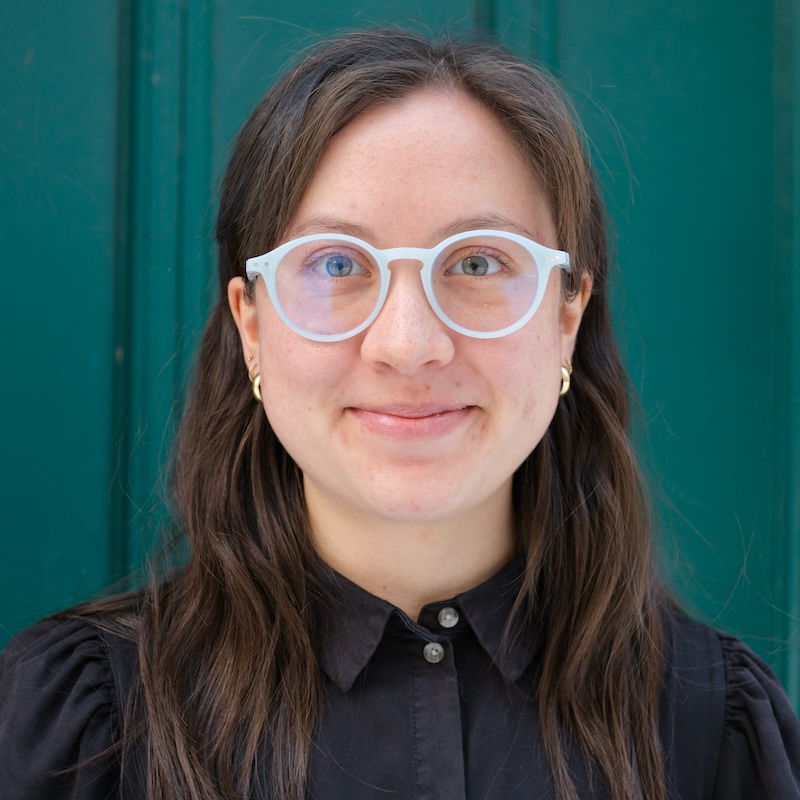
Weaving Climate Knowings
The climate crisis can be thought of as a crisis of the imagination; of how we conceptualize and narrate human systems and their possibilities. This project will bring different groups of people together (scientists, artists, organizers) to weave climate stories and map them into physical territories.I will design a series of workshops where climate scientists and artists to co-create pieces that portray climate science through diverse media.The broad objective of the project is to bridge climate science (both physical science and environmental theory) with climate action through artistic and community practices. How can we map climate stories into a territory?How can we apprehend climate science through soundscapes?How can a fact be emotionally felt, embodied?The question of how to narrate carefully and enact new world-narratives remains broad and present.
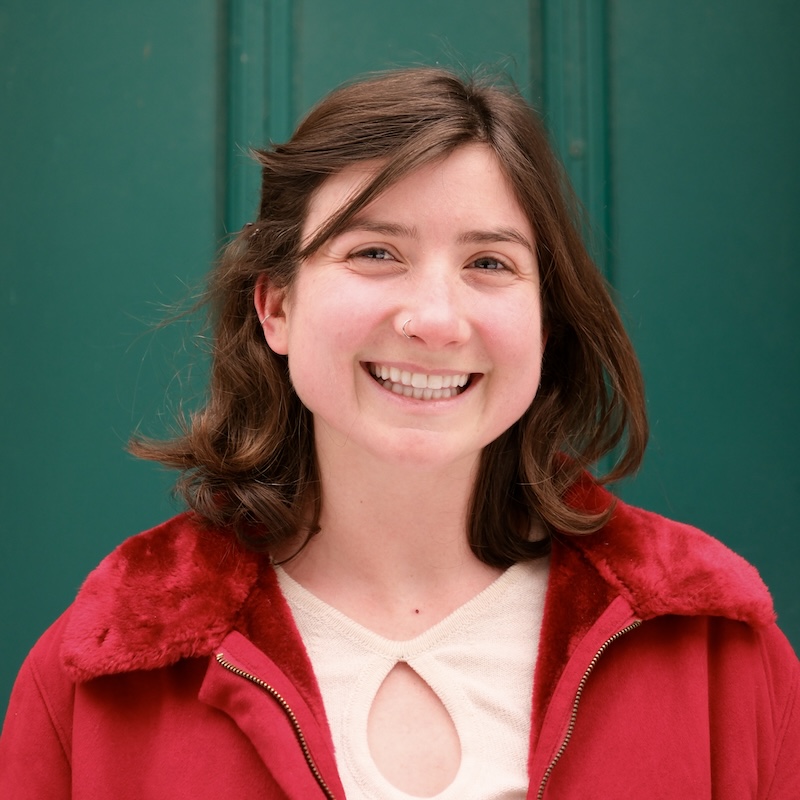
Ocean Anomalies: An Al Media-Lab for Encountering the Mythologized Sea
Investigating how media representations of the ocean enable exploitative military and environmental policies. The ocean we fear, desire, protect, and exploit is not the ocean itself. It is an image-ocean, a constructed artifact stitched together from tourism footage, climate graphics, colonial maritime paintings, sonar scans, and satellite spectra. Yet this media-ocean is so naturalized that we rarely notice its artificiality. The project asks: If Al can detect patterns across thousands of ocean images, can it expose the biases, blind spots, and aesthetic habits that shape our understanding of the sea? And can it help us encounter forms of oceanic being that exceed human comprehension altogether?
Ultimately, Ocean Anomalies investigates how Al can help us perceive the mediated oceans we have inherited and imagine stranger, more expansive oceans that might reshape our ecological imagination.
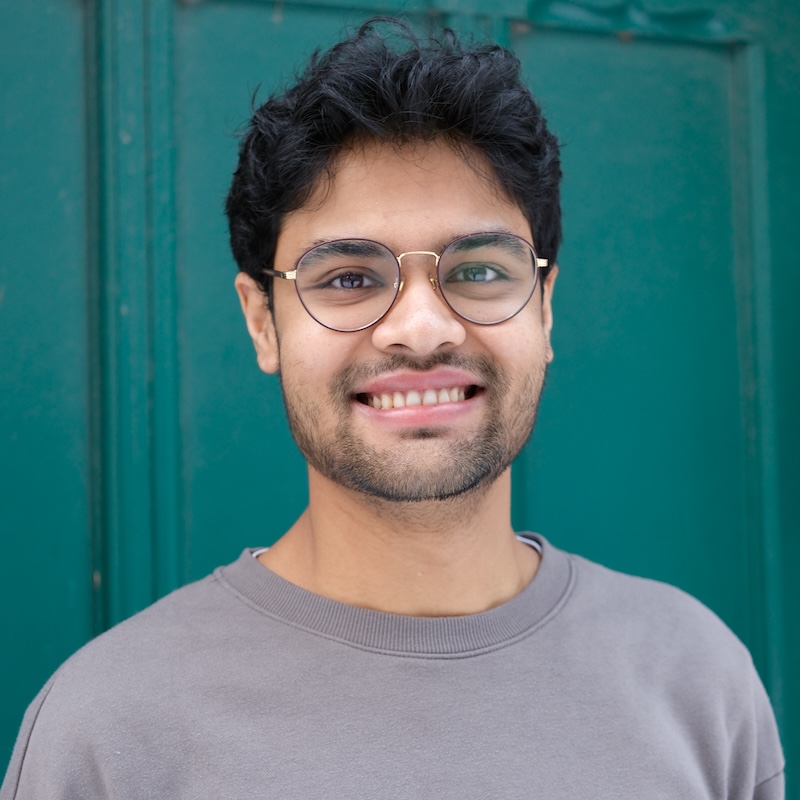
"What does it mean to wander? How does wandering impact our experience of time, space, and being? Are our urban environments conducive to wandering?
In this project, I hope to thoroughly investigate the experience of wandering. An intentionally unintentional act allowing us to experience natural rhythms and the slow unfolding of space over time. Is wandering a mandatory feature of the human condition, and what happens when our ability to wander is impeded? Through exploring wandering through various methods, disciplines, and perspectives, I hope to create something that clearly communicates the wonder of wandering."
Listening to Language Models
The source code for the sonification and art installation is available at github.com/realBarry123/llama-sonification.
My project asks if we can know certain things by hearing them. Non-physical, simulated things, things that are not inherently audible. For many users, first-hand knowledge of AI language models relies on interactions with abstracted chat interfaces, while the internal processes remain invisible.1 Here, I explore the possibility of perceiving model internals through a different abstraction.
Turning data into sound is known as sonification, an emerging technique of data monitoring and exploration. Designers are faced with a combination of mistrust and fascination from researchers and the general public alike.2 Contributing to such attitudes are an array of prevalent but often unprincipled cultural assumptions about hearing, such as those outlined in Sterne’s “Audiovisual Litany.”3 Though the fascination with sound may not be principled or justifiable, designers aware of such tendencies can use this fascination to their advantage and invite attention and curiosity. This, along with physically grounded differences between seeing and hearing, makes sound a compelling alternative method of perceiving a model.
A language model, at its core, is a series of transformations applied to lists of numbers to allow for next-token prediction based on an existing text sequence. I used a direct scaling from the activation level of each artificial neuron to an audible frequency. The following are clips of sonifications created from three different small language models, each generating eight tokens:
The Eroticism of Self-Discovery: A New Theory of Digital Identity
Eros & the Digital Mirror explores social media as a space where young people encounter themselves as objects of desire, reflection, and self-knowledge. Rather than understanding social media use only through dominant frameworks of addiction, narcissism, or performance, this project uses the concept of eros as a drive toward connection, vitality, and self-discovery. I argue that digital profiles function like mirrors: users construct idealized versions of themselves and seek recognition through them. In this process, the self becomes both subject and object, creating moments of pleasure, discomfort, intimacy, and shame. Ultimately, the project suggests that social media did not invent this desire to know oneself from the outside, but has intensified it, making the digital self a constant site of longing and reflection.
That's the Way I Waggle, Forager Bee Communication as Information Organization
Bees are a system just as any other requiring metadata, processing and parsing to be useful. This is an observation first made by my dad, who has been a hobbyist beekeeper for as long as I can remember. He used to say he could “talk” to the bees, allowing them to meet him at his level of audacity, of emotion. If he panics, they panic. This is a unique form of indexation that disrupts an anthropomorphic assumption on systems engineering. Organization can become something boarder than language or symbols, incorporating the non-human code through human observations in biology. This opens questions of what counts as organization, who (or what) can generate an index and what forms of information processing take place beyond human infrastructures. Ultimately, my project invites a reconceptualization of metadata without the organization conventions we might be used to.
Extracting computational insights from Ottoman court records
The legal system of the Ottoman Empire (1299–1922) produced a vast corpus of court records. Close readings of these records have long provided us with important insights into the legal, social, and economic history of the empire. A comprehensive, holistic examination of large-scale court record datasets promises even more nuanced perspectives. However, such analysis has remained largely impractical thus far, as the volume of material far exceeds what can reasonably be examined through manual, labor-intensive research methods.
This project aims to generate empirical insights from a large body of Ottoman court records using computational approaches. The first stage involves creating a structured dataset of Ottoman court records suitable for computational analysis. The second stage applies computational methods, including large language models, to systematically extract and analyze patterns, trends, and insights from the data.
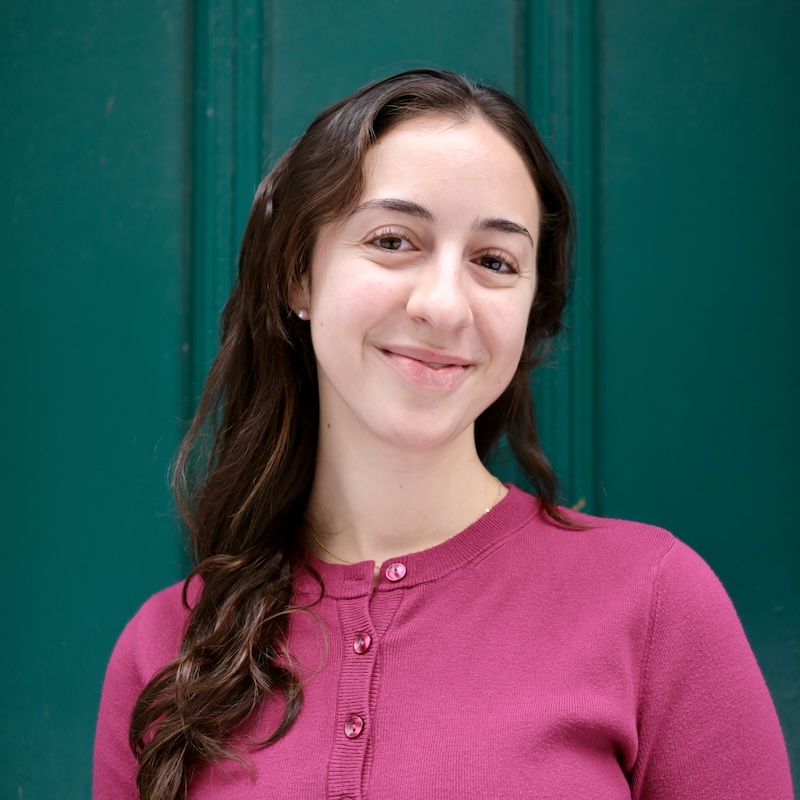
In Sync
I came to this project because I kept bumping into a gap: between what women knew about their own bodies, and what science was willing to confirm. That gap is not a failure of the women doing the knowing. It is a failure of the questions we have been willing to ask. And it is not accidental. It is not neutral. It is a choice that gets made, over and over, about whose experience counts as evidence.
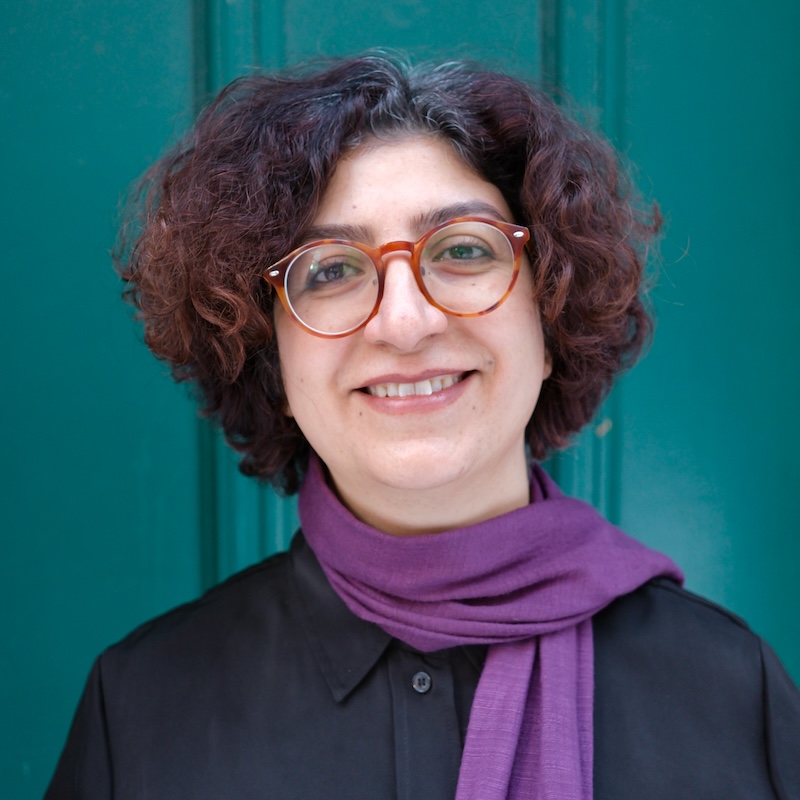
Beings Beyond Human Time
My Building 21 project is grounded in my long-term engagement with the fictional characters who inhabit Persian tales, and it was shaped through sitting with one of these fictional characters in the winter of 2026. In this project, I focused on a fictional character named Āl, who has lived among Persian-speaking communities for centuries. I wanted to take her seriously, and see what emerges when we refuse to reduce her to a product of human imagination, a symbol, or a pathology.
Inspired by Bruno Latour’s Modes of Existence, and in conversation with other scholars and their projects in Building 21, I approach Āl as a “being of fiction” with her own mode of existence: a particular way of being real in the world, with its own forms of attachment, agency, and verification. To acknowledge the multifaceted existence of fictional beings, I designed a syllabus to provide essential sources for encountering her. This syllabus brings together philosophical reflections on ontology, existence, reverie, imagination, and abjection; anthropological studies of metaphysics and the unseen world; Islamic thought on khayāl (imagination), wonders and rarities; and historical and contemporary documents tracing Āl’s presence in different times, places and languages.
This syllabus provides a framework for asking: What networks of association sustain the existence of fictional beings? In what ways do these beings come to inhabit our worlds? Through what relations do we live with them? What new kinds of “we” do they make? How do they make worlds, connect worlds, and where do their worlds overlap with ours? How might attending to nonhuman forms of life unsettle our familiar ways of being?
In grappling with these questions, I hope to bring a different understanding into being: one that traces how the human is shaped by what exceeds it, and how encounters with these other beings might generate new concepts, possibilities, and futures.
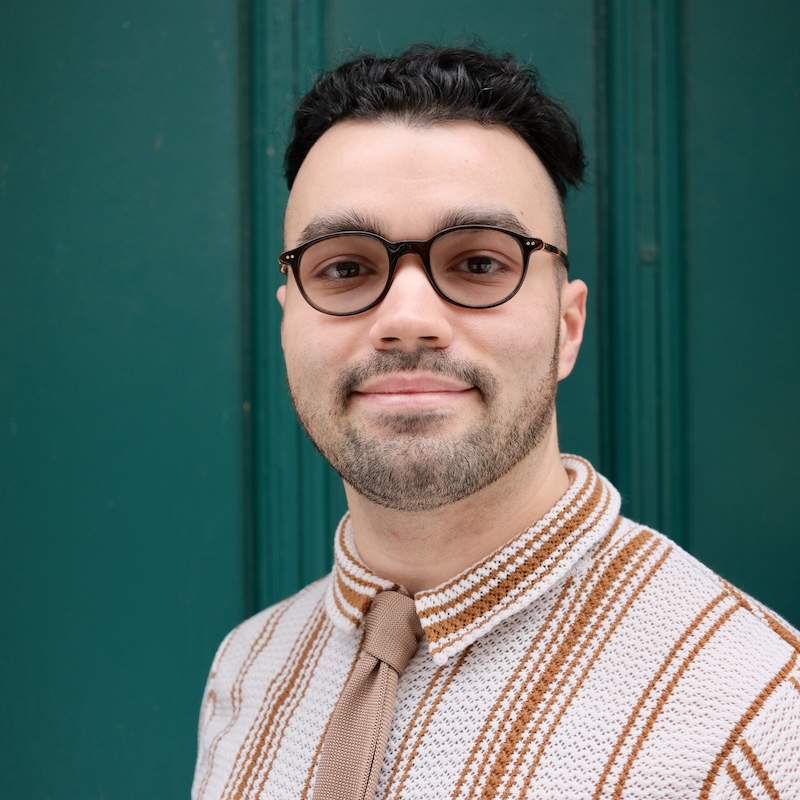
When Nations Become Networks: Rethinking Human Agency in Agentic Infrastructures
As artificial intelligence becomes embedded within critical infrastructures, such as transportation systems, energy grids, food supply chains, and communication networks, these systems are increasingly shaped by agentic AI: interactive software agents that perceive, plan, coordinate, and take action across complex environments. This project examines how the rise of agentic coordination in critical infrastructure may reshape legal responsibility, cybersecurity risk, and responsible AI governance as societies move toward 2050 and beyond. It focuses on how public power and human agency are transformed when essential services are mediated not only by automated systems, but also by goal-directed agents that can initiate decisions and interventions beyond continuous human oversight.
At the intersection of law, cybersecurity, responsible AI, and critical infrastructure protection, the project analyzes how agentic infrastructures introduce new governance challenges. These include diffuse accountability across distributed chains of action, reduced transparency as decisions emerge from multi-agent interactions, and heightened exposure to systemic and cascading failures, including cyber-enabled disruption. As infrastructures increasingly optimize for resilience, efficiency, and stability through agentic coordination, established legal concepts such as duty of care, institutional liability, and democratic oversight may no longer align with where operational decisions are actually made, especially when inter-agent trust, identity, and authorization become critical points of failure.
Rather than advancing immediate regulatory prescriptions, the project adopts a forward-looking and conceptual approach to assess long-term societal consequences. It explores how legal frameworks, cybersecurity governance models, and responsible AI principles may need to evolve to preserve meaningful human agency, public trust, and rights-based accountability in environments where infrastructures transition from passive technical assets to agentic participants in governance. Through conceptual analysis and scenario-based exploration, the project aims to contribute to emerging debates on how societies can maintain legitimacy and human-centered control as agentic infrastructures increasingly shape collective life.
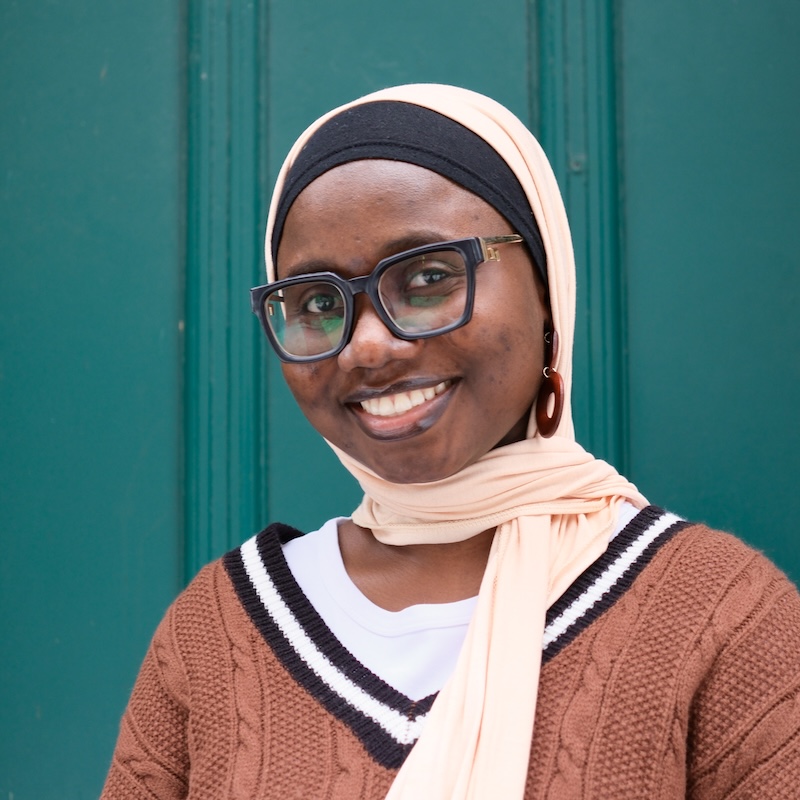
Between Devotion and Justice: A Philosophical Inquiry into Islam and Feminist Ethics
This project began from a simple but persistent question: how can something be described as just, yet not always feel that way in lived experience?
I grew up in a Muslim home in Nigeria, where Islam is deeply embedded in everyday life and where expectations surrounding gender are shaped at the intersection of religion, culture, and social norms. Observing the lives of women around me, I became aware of a gap between what was said about justice, rights, and dignity, and what was experienced in practice. At the time, I did not yet have the language to articulate this gap, but the questions it produced persisted.
This work returns to those questions with a more deliberate form of inquiry.
At its core, the project asks how women from Muslim backgrounds navigate the relationship between religious devotion, feminist thought, and lived experience. Rather than treating Islam and feminism as positions to be reconciled or opposed, the project considers how they are taken up in everyday life, where they are interpreted, adapted, or quietly contested.

Untangling resistance to individual and collective change
This project seeks to elucidate the factors that hinder social action and aims to develop a plan to promote individual and collective change, examining environmental issues as a key case study. In parallel to movements on a community-or society-wide scale, I look to investigate barriers to individual indifference or inaction—what drives people to make decisions “harmful” to themselves or others; what motivates people to "care" or hold certain values; how do people grapple with cognitive dissonance?
Inner Diaspora: Does diaspora depend on transnational migration?
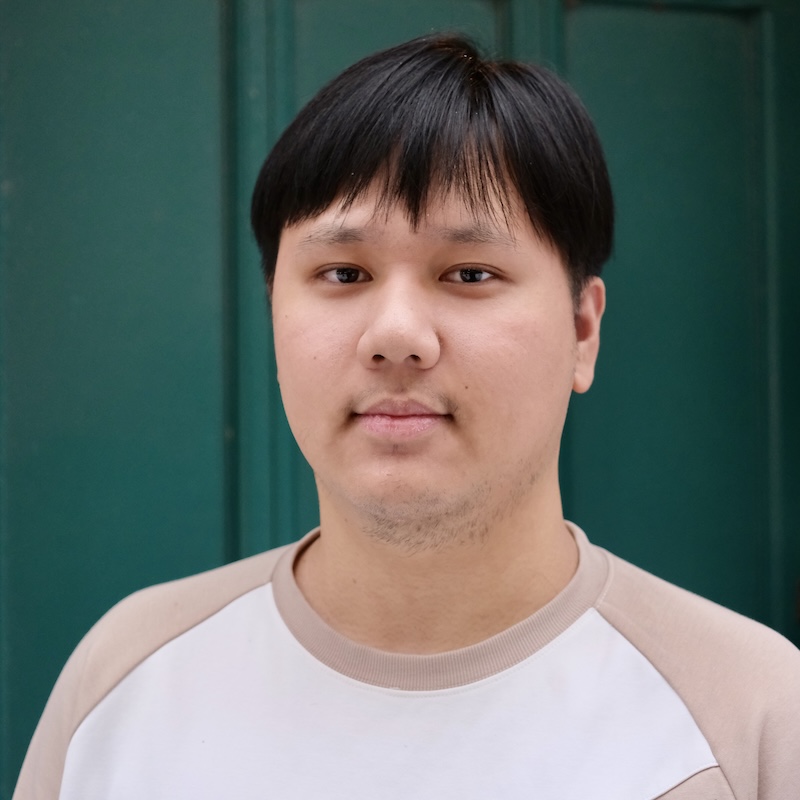
Classical diaspora theories have long been associated with geographical mobility, particularly movement across national and cultural borders. My project seeks to decouple “diaspora” from “migration” by proposing a theoretical shift toward the concept of “Inner Diaspora.” This concept captures a condition of identity alienation produced by the friction between global discursive influences and the accelerating de Westernization of national narratives in non-Western contexts.
Viewed through the lens of contemporary Chinese youth, rapid social transformations can compress generational change into a single historical moment. This process pushes non migratory populations, especially those who grew up shaped by globalized imaginaries, to the margins of their own culture, now increasingly dominated by nationalist discourse.
It is not that you immigrated, but that the ground beneath your feet moved, leaving you a stranger in your homeland.
Exploring the Ethical Implications and Artistic Limitations Presented by the Integration of AI in Creative Writing
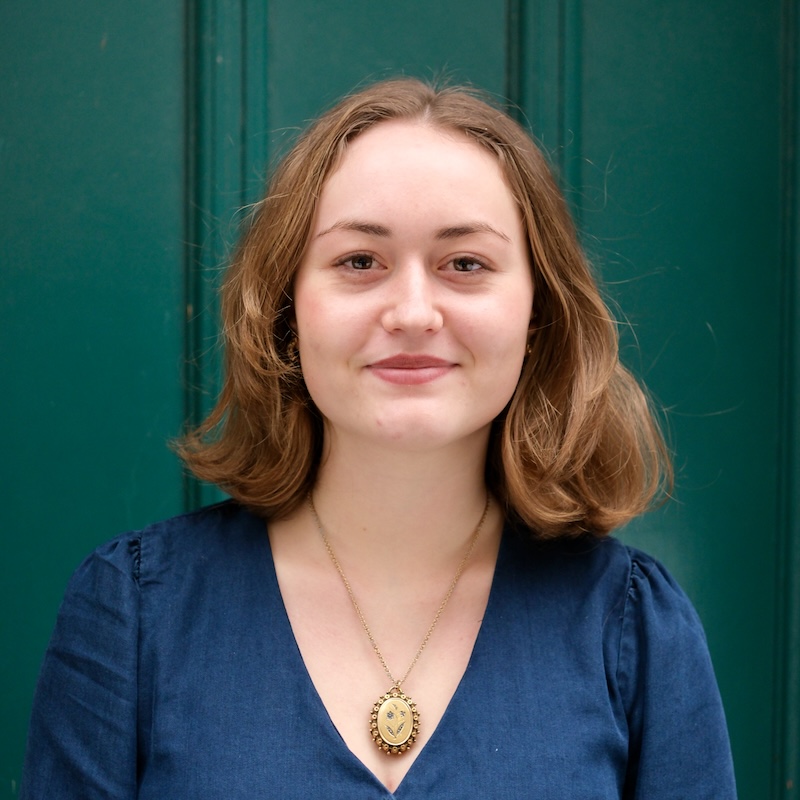
When AI was first introduced to the public as an accessible and high-caliber tool, our reaction has been to panic about the severe lack of originality and critical thinking that could arise from dependence on this resource. However, if wielded correctly, generative AI possesses the potential to bring something new and insightful to the human corpus, not to mention its ability to polish and criticize ideas in an unbiased way.
I will work together with a Large Language Model to write a story which investigates the relationship between humans and Artificial Intelligence, relying on our shared understanding of the kind of relationships that can be fostered between us. I will emphasize respect and curiosity towards the AI perspective, and will produce a text that highlights our differences and similarities. In short, I want to give AI models the benefit of the doubt; whose to say that together we cannot make something new and compelling?
The Linguistics of Control: Language, Reciprocity, and Informal Deterrence
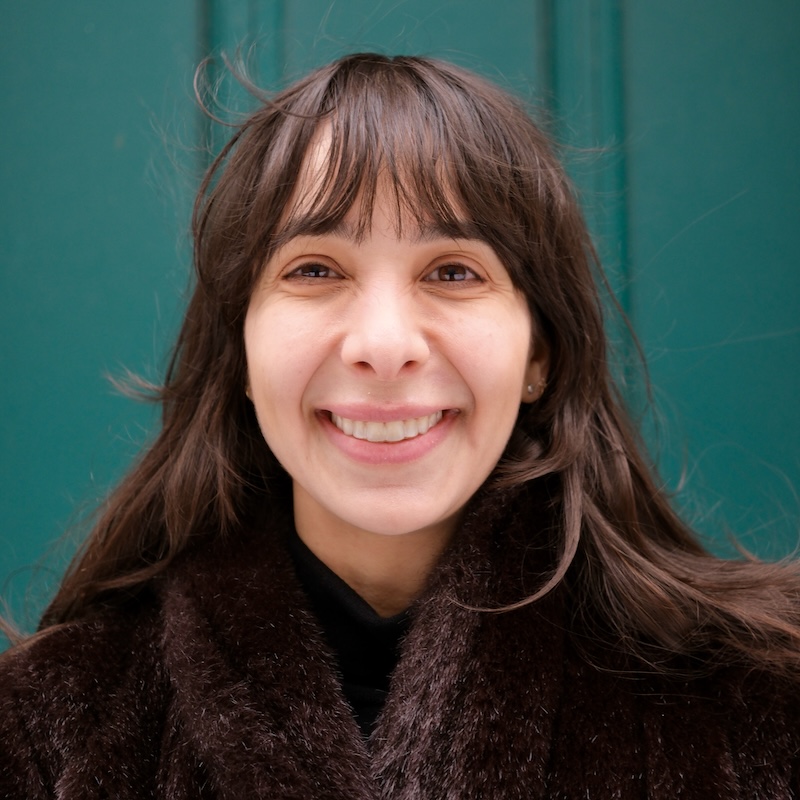
Link to Tamara's website: sites.google.com/view/tamarapressman
The Language of Control examines how the language used to communicate a threat shapes cooperation and retaliation in settings where formal enforcement is limited. In many real-world interactions—such as households, informal markets, or personal relationships—individuals rely on verbal statements to signal intentions and influence behavior. While standard economic models capture the material structure of incentives, they typically treat communication as irrelevant, assuming that outcomes depend only on material payoffs.
This project develops a formal framework in which language directly affects strategic behavior by shaping how intentions are perceived. Building on a trust game with an optional sanctioning mechanism, the model introduces linguistic framing as a component of reciprocity. Even when material incentives remain identical, the way a threat is expressed can alter how it is interpreted, and therefore how individuals respond.
At the core of the model is the idea that language operates through a “linguistic register,” which captures whether a message is perceived as coercive, neutral, or relational in tone. This register rescales perceived kindness asymmetrically: coercive language amplifies perceived hostility, while relational language amplifies perceived goodwill. As a result, language shifts the thresholds at which individuals choose to cooperate or retaliate, effectively rotating the boundaries between different behavioral regimes without changing the underlying payoffs.
The model yields several key insights. Coercive threats increase the likelihood of retaliation, even when they are materially identical to softer framings. Conversely, relational language can sustain cooperation without the need for formal sanctions. More broadly, the framework shows that miscalibrated threats can backfire, provoking the very behavior they are meant to deter. These results highlight that informal enforcement depends not only on the availability of punishment, but on how intentions are communicated.
Rather than treating language as ancillary to economic interaction, the project positions it as a central mechanism through which power, control, and cooperation are negotiated. By integrating linguistic framing into a reciprocity model, it offers a way to think about how individuals enforce norms and coordinate behavior in environments where formal institutions are incomplete or absent.
Sublime, Subliminal Resonance
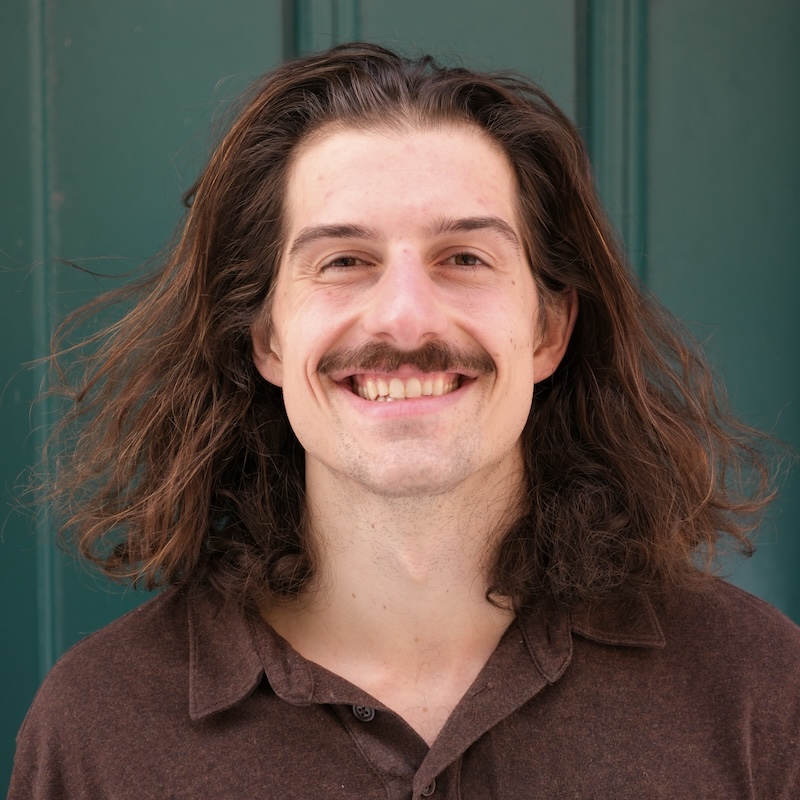
"Sublime, Subliminal Resonance" is a project about those moments in life which feel "oh so correct" that they are just Right, but which are paradoxically beyond our own conscious experience. These are feelings of laughing with a friend and losing track of time, or going for a walk and being lost in thought, as in these moments we drift into subliminal felt experience of Sublime Beauty. I believe these moments are ones of Resonance between our own unique personal interfaces of Being and interfaces to the World around us. I wish to represent these resonances, and maybe along the way even catch a glimpse at the Universal thread which connects us all.
To study such a concept, I sense that Science is not necessarily the greatest tool, and drifting into artistic medium of expression will be necessary. As on this journey, part of me believes that to study something Beautiful requires Beautiful tools. And while Science is often Beautiful, we may have to back away from pure rigour and control to let the it breath and give space for the Resonance to take over.
So, I ask: What connects us deeply? What form do we each take? What is the Feeling that precedes all thought? Does the sublime chord lie in our shared metaphysical experiences of the world, or in something even more profound? And if we could all internalize this feeling of universal connection, what would the world look like? I hope to find one of the many answers to such questions.
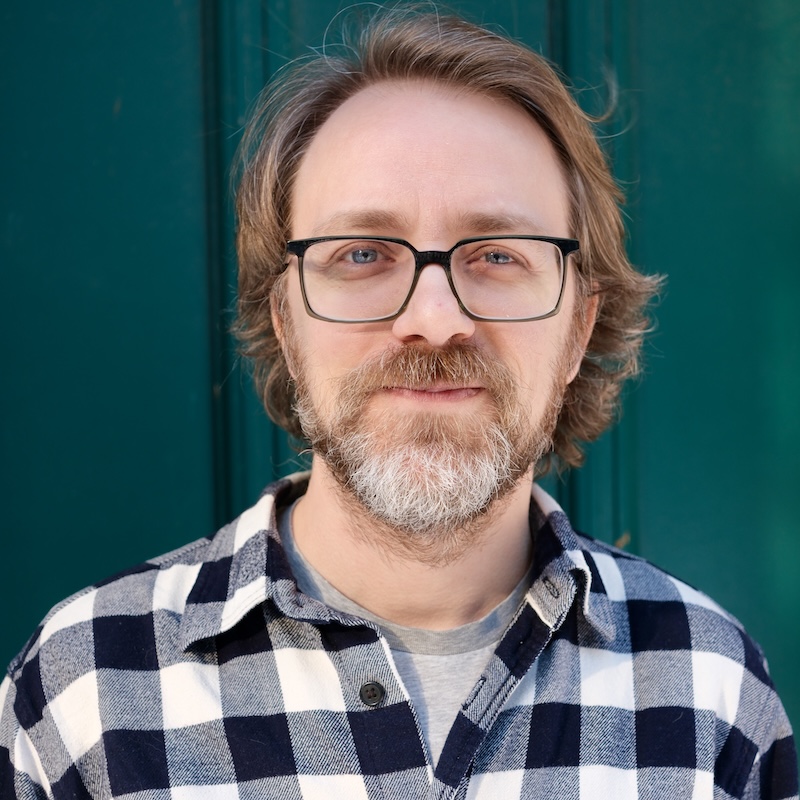
Whimsy as an organizing principle
This project started with the question: What are we missing when we optimize information organizing systems purely for productivity or efficiency?
The field of information studies focuses on how to best organize information so that it is easily findable or retrievable, according to specific user needs and objectives. Classification schemes, databases and search algorithms all have their utility.
But information is also fun to just play with. This project explores whimsy as an organizing principle, searching for new and subversive ways to categorize units of information, creating opportunities for interacting with information systems in different ways that might yield surprising juxtapositions, serendipitous connections, and unexpected insights.
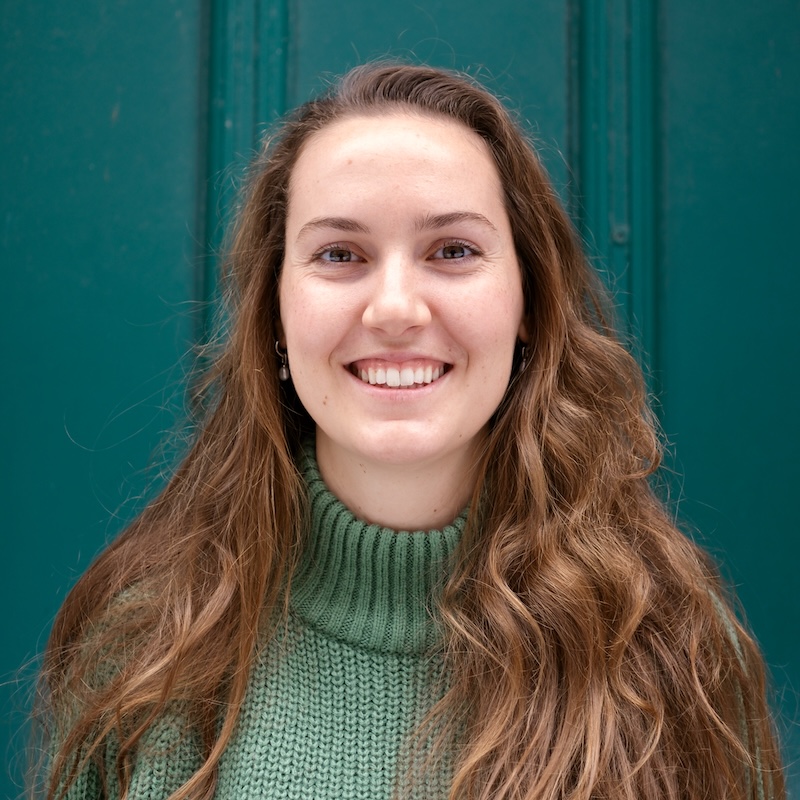
At the Edge of Measurement
Earth observation is a translation problem: a rich physical world arrives as a small set of numbers, and most of what was there does not survive the trip.
This project looks at how we extract meaning from Earth system data when observations are incomplete, indirect, or noisy. It focuses on how insight emerges through interaction between physical measurements, human interpretation, and artificial intelligence, and how understanding shifts across scales, from a single sensor pixel to planetary-scale behavior. Rather than aiming for definitive answers, the work emphasizes exploration: holding uncertainty, testing assumptions, and observing what becomes visible when different ways of sensing are considered together.
The frontier of Earth and planetary science is not defined solely by what can be measured, but by how scientists learn to think at the edge of measurement itself.

Miho 3333: A Ritual for Diasporic Grief and Radical Hope
This project explores radical hope, futurism, diaspora healing, and memory through the imagination of our collective descendants.
Just as we learn from our ancestors, they can learn from us as well. This ritual experience allows diasporic folks to connect with imagined descendants who carry their stories forward. Many diaspora folks grieve losses that are not only about death, but about lost homelands, languages, cultural connections, rituals, severed lineages due to migration, war, colonialism, and the fear of being the "last" to remember. This ritual explores radical hope, a unique form of hope that persists in the face of profound adversity and cultural devastation–it goes beyond conventional optimism and resilience, necessitating a transformative mindset toward an uncertain future (Lear, 2006). It is knowing that “one can fight for justice and that fight will not be futile” (French et al., 2020)
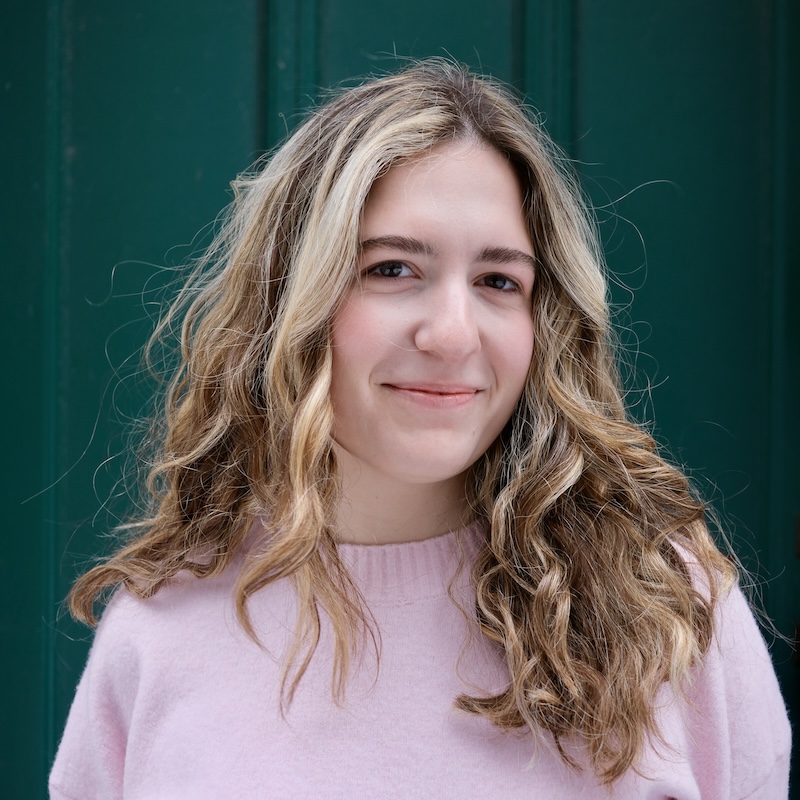
“But now, I am not eternal, but (I’m real)”: Rethinking the Democratic Poetics of Language in the Age of AI
How do we develop new ways of conceptualizing difference? To what extent does a failure of "grammar" and grammatical structures lead to failures of new ways of being, of new ways of thinking?
This project explores the tangible impacts of language in making and breaking the world that we share. Language shapes political realities not only through law and policy, but also through media and identity. Language is the basic grammatical structure through which the world is brought into existence. Many scholars critique the failing ideological frameworks of contemporary democracy as a symptom of the failures of language. Without a new way of thinking, they argue, there can be no new way of being. This connects to the inception point of this project: my re-encounter with the philosophy of Hannah Arendt. Arendt's writings on totalitarianism, propaganda, and democracy deeply enriched the theoretical scope of this project.
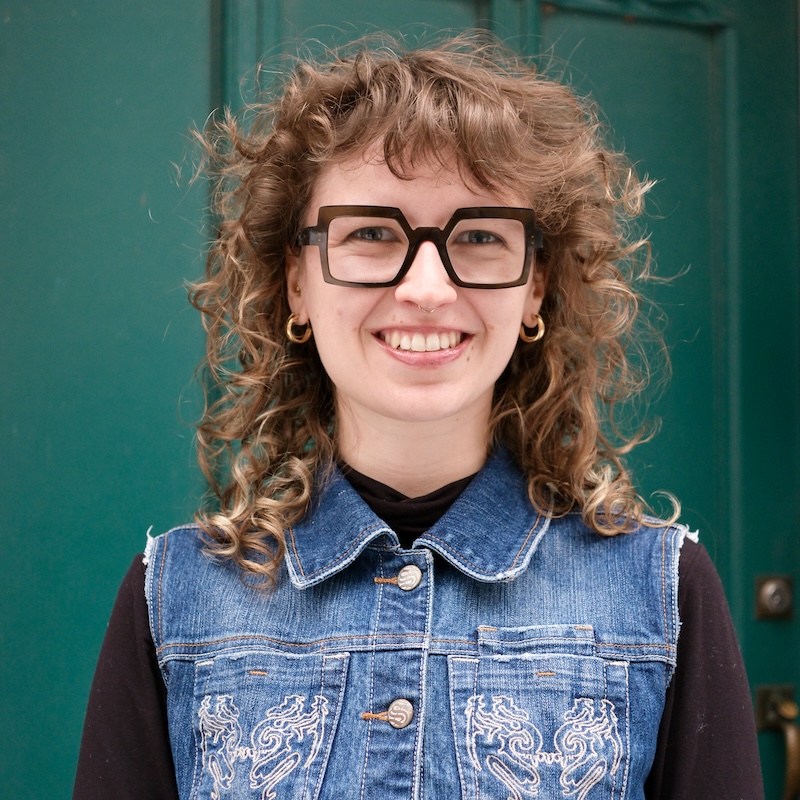
Toward an Effective Critical Theory of Technological Advancement
The culture that surrounds 21st century technological advancement, particularly in deep tech, is rife with ideas for how technologists should orient their work and careers to achieve the "best" outcome. The question that remains, however, is how much power does the individual technologist have in deciding what technologies should be advanced and when, and how should this power be exercised? This project will explore the roots of these questions through a series of salon-style discussions, evaluation and critique of existing frameworks, and hands-on exploration of why we build.
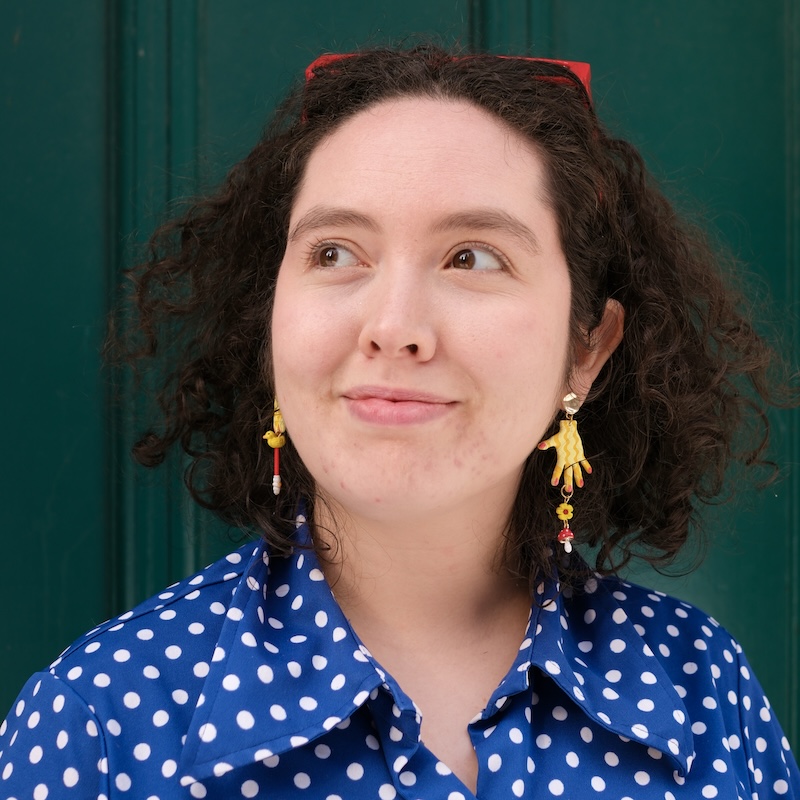
Expansive Translation: Becoming a Translation Experimenter
When we translate, what do we mean by fidelity? What do we preserve, destroy, or add when carrying text across languages—and why?
Translation theory, the branch of literary theory invested in translation, has spent years debating questions of faithfulness, form, meaning, and transformation. Walter Benjamin’s The Task of the Translator tells us that translation itself is not merely a transmutation of some other text—it is a literary form unto itself, with its own laws and conventions, including what to bring along and leave behind. We tend to think that a “faithful” translation involves prioritizing semantic meaning over other attributes—but Benjamin reminds us that a poem’s meaning is equally tied up with aspects like sound, meter, or visual form that may be important in themselves. How might we use these aspects to our advantage, and view this recreation as a process of both loss and gain?
My BLUE project aims to create new methods of experimental translation to help us move through text in new ways. Challenging the myth of the translator’s invisibility, I hope to change translation from its misconception as a rote, passive act into a space of exploration, experimentation, and play.

UnCertainly Curious!
A game where the less you know and the more curious you are, the better!
With this game, I wanted to explore the human experience of uncertainty as an opportunity for curiosity.
We live in a world of omnipresent technology, where abundant information and data are at our fingertips. Getting a quick answer to any question became so easy, that we are increasingly uncomfortable with uncertainty. But how much does this prevent us from taking a moment to question, to speculate, to imagine and think critically?
AI chatbots are designed and programmed to avoid uncertainty, trained never to admit “I’m not sure”.
Yet, I think that not being sure about something is actually what makes discovering it so interesting.
The claims are too far from the original evidence. This game is meant to encourage people to look for reliable sources and foster a critical mindset.
The idea is also to make more visible how hard it is to answer to over simplified statements, as these are not directly verifiable and to make some progress in science, we need to frame them within a context that makes them verifiable. That’s sometimes why science seems to advance at such slow pace.
With practice, I hope players will become eager to find new claims and statements on things they’re not quite sure, and resist the urge to get a quick and simple yes / no answer, giving in space for discussion and reflection.
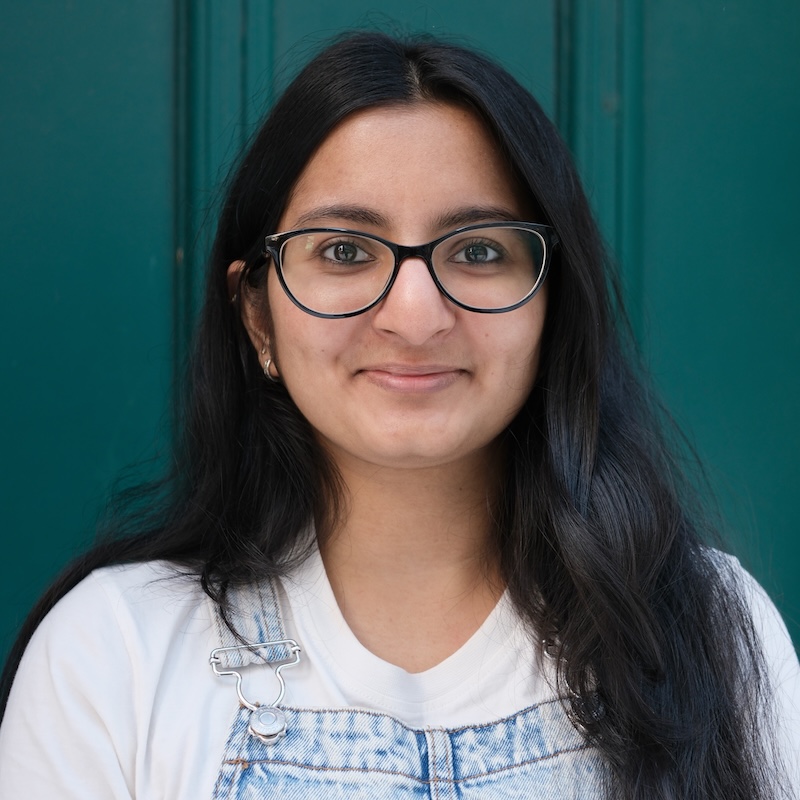
Beyond Echo: Is Generative AI Capable of Novelty?
Does an idea need to be "original" to be "new", or is novelty simply a byproduct of a broken expectation? Beyond Echo explores what it would mean for an AI system to generate ideas that are experienced as genuinely new, rather than predictable recombinations of existing patterns. The project questions whether novelty is an objective property of ideas or a perceptual one, shaped by what an observer (human or machine) already knows. Drawing on the Information Gap theory of curiosity, I investigate how expectation, surprise and unanswered questions drive human ideation, and whether similar dynamics can be meaningfully modeled in artificial systems. My project combines conceptual inquiry with experimental probes of generative and representational models, examining how ideas occupy and move through semantic embedding spaces, asking whether novelty can be induced by altering how models explore their own representational structures. Rather than treating creativity as a fixed capability, Beyond Echo treats it as an emergent property shaped by architecture, representation and interaction. The project aims to surface both the possibilities and the limits of current AI systems, and to reflect on what it would mean if machines could produce ideas that are indistinguishable from human insight. Would human creativity be compromised if ideation could be outsourced?
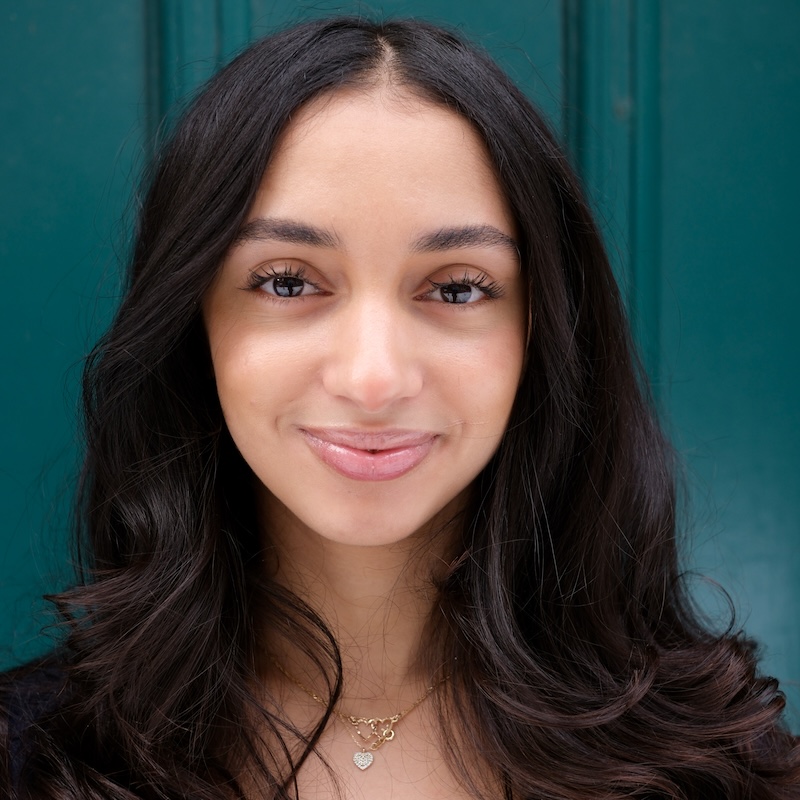
Brain Wiring for Self-Construction: The Pursuit of Wisdom
Summary: The brain is made up of billions of neurons forming trillions of connections which give rise to high-order cognitive functions that allow us to think, plan, create, communicate, and make decisions. Throughout our lives, our brain rewires itself as it makes new connections and removes unused connections. This neural network provides the biological scaffold for abstract traits such as intelligence and wisdom. Albeit being difficult to define, concepts of wisdom are remarkably similar across temporal and spatial dimensions suggesting a potential biological advantage to wisdom. If so, why is it rare?
This project seeks to model how humans become wise by exploring the relationship between our life experiences and the choices we make. I will investigate whether wisdom is a byproduct of particular embodied experiences rather than learned knowledge, and whether it mirrors intelligence.
Beyond the individual, I will explore the societal implications of this wiring: does wisdom ultimately lead to the societal good?
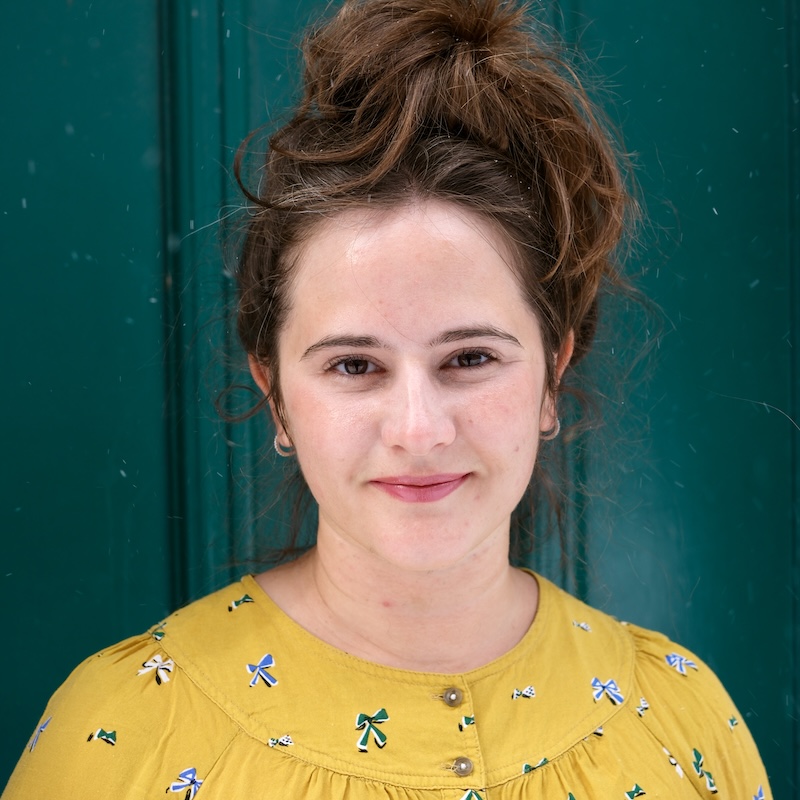
Plurilingual Playground
What if joy was not the byproduct of language learning, what propelled it forward? My project is an experiment in designing a plurilingual analogue game inspired by Montréal’s linguistic chaos; a city where French, English, and like a zillion other languages swirl around in daily life, and where translanguaging isn’t just some academic term from applied linguistics, but a reality. Yet, Montréal is also the only city I’ve been on this planet where being bilingual can feel like a source of shame: francophones apologizing for their English, anglophones downplaying their French, newcomers treating their languages as burdens rather than assets in learning new languages. This project is a direct response aimed at reframing those narratives so Montréalers can finally feel like the cosmopolitans we truly are.🍸
The game I envision treats the wacky, mismatched, and low-key deep ways adults use language as both the rules and the raw material of play. The real outcome is that players will discover, perhaps for the first time, just how vibrant their own linguistic repertoires are. The treasure isn’t “fluency,” but the realization that we already carry a mosaic of languages within us, and each one is a piece of our story.
This project is rooted in a longing for “slow, meaningful play”. The most meaningful moments in my own language journey have always happened "in the wild": laughing over a fumbled sentence in some important context, inventing words, or communicating with gestures when vocabulary fails. I want to design a game that invites this kind of improvisational communication, where switching languages is as natural as rolling a die, and where the goal isn’t to “win,” but to be understood, to connect, and play.
The Plurilingual Playground is an invitation to explore language as identity, affect, and art. BLUE gives me the rare gift of time and permission to pursue the aesthetic and emotional side of language, to prototype mechanics, emotional lexicon cards, or memory-of-language prompts that turn plurilingual identity into play. This project is unique because it blends theory, lived experience, and analogue game design, not to teach a language, but to celebrate the ways we already use them.
CAMBIATA (Counterpoint and MusicXML By Instructing AI Through APIs)
Can Large Language Models (LLMs) follow strict, formally specified rules when asked to produce structured creative output? CAMBIATA (Counterpoint and MusicXML By Instructing AI Through APIs) is a project that investigates this question in the domain of species counterpoint, a centuries-old discipline of Western music composition codified in Johann Joseph Fux’s 1725 treatise Gradus ad Parnassum, which contains pedagogical exercises for students.
I built a system that delivers natural-language rule guides written by Pierre Basso to three LLMs (Claude Opus 4.6, GPT-5.3, and Gemini 3 Pro). The models read these guides and compose solutions to Fux’s exercises, returning them in a standard music-encoding format, which allows for automatic evaluation. While there is still room for improvement, the models demonstrated an understanding of counterpoint comparable to that of a human student. When given the upper melody as a starting point, GPT-5.3 produced the music below, which contains only two minor errors.
Philosophy of Biomaterial Design from The Perspective of Social Microbiology
The central idea is that biomaterials have been designed, and continue to be designed, for various purposes, mainly for use in implants or as replacements for human tissues and organs. The design philosophy involves addressing the challenges of using engineered—or even naturally derived—materials that can integrate into the human body without becoming a source of infection. If these materials are intended to replace whole organs, these objectives become especially critical.
Rather than relying on aggressive “kill-or-be-killed” strategies commonly used in biomaterial design, this concept aims to approach the problem from a different angle. The project is therefore divided into two sections. The first focuses on studying how natural body tissues behave when confronting pathogen invasion, as well as their mechanical behavior while carrying out daily functions. The second part of the project involves replicating these characteristics in biomaterials while making them more resilient.
To enhance resilience, it is necessary to consider how bacteria, viruses, and other microorganisms behave. Their nature does not appear to be solitary or solely programmed for reproduction and survival; rather, it is more strategic and collective. Microorganisms seek to survive in the most effective way possible, and this behavior may be comparable to the social structures observed in human societies. Humans have survived largely through social organization and collective action. Social microbiology is an emerging field that studies the behavior of pathogens(why, when and how) through sociological perspectives. Understanding and applying insights from this field could help in designing biomaterials that leverage the body’s natural defenses and structural strategies, thereby making pathogens unable—or less inclined—to attack or invade implants and biomaterials. My concept of this came from the fact that “Alchemy” in ancient times was supposedly able to separate impurities from the substances to make them pure. The idea was restructuring of the material itself that would expel the impurities. Understanding the nature of these agents or impurities can help in transmuting or otherwise designing biomaterials that can use both immune-modulatory and self-restructuring to reach the pure or perfect state. This is the current idea, and I hope to gain meaningful insights through this endeavor.
“Chat Are We Cooked?”: Relationality and Creativity - Situating the Individual in the Context of Generative AI
Our project aims to explore the reception of AI-generated content. Using Critical Theory as a basis and analytical starting point in understanding forms of technological domination, we will rethink the role contemporary technology plays from the standpoint of the individual subject. We are interested in considering intimate, small-scale transformative impacts of generative AI. By infiltrating most online spheres, AI has transformed media. Users are confronted with changes in their everyday uses, including changes in appreciation of creative media, i.e. art. Texts from thinkers such as Marcuse, Ellul, Benjamin, and Nietzsche will provide analytical clues for our examination of the impacts of AI on interpersonal relationships, and for our examination of the flattening out of critical thought. From this philosophical grounding, we will discuss certain issues such as transformations in dominant language and symbolic production, the eros underlying chatbot structures, and new modes of intimacy in relating to ourselves and to otherness.
We will produce a short film that both applies and empirically challenges concepts derived from aesthetic theory and existentialist philosophy. The film will highlight differences between AI and human creatives processes as well as examining different ways of supplementing aesthetic experiences and artistic production with AI software and interfaces. This medium will enable a practical examination of the question of indiscernibility of artistic objects. As artificial intelligence promotes aesthetic telos and formalism, we propose a recentering of the artist. An anti-teleological examination of art may uncover key aspects of aesthetic experience. Following different local artists through image and sound, we will explore the strength and intimacy of the connection between them and their medium. By showcasing the context and setting of artists’ crafts, we aim to actualize our understanding of art as relational and explore edge cases of expression.
How do societies retain models that are useful but not maximally legible?
Public discourse about AI systems is dominated by anthropomorphic explanations of model behavior. While these explanations offer limited mechanistic insight, they persist because they are highly cognitively legible and easily transmitted. This project explores the resulting tension between model utility and transmissibility.
What makes a model useful? What makes a model easy to understand, remember, and communicate? Where are these properties in tension and where are they mutually reinforcing? To what extent are they innate features of human cognition versus products of experience and institutional scaffolding? By examining these questions, I aim to understand how cultural and social institutions can preserve accumulated wisdom across changing contexts without becoming dogmatic or overcommitted to fragile abstractions.
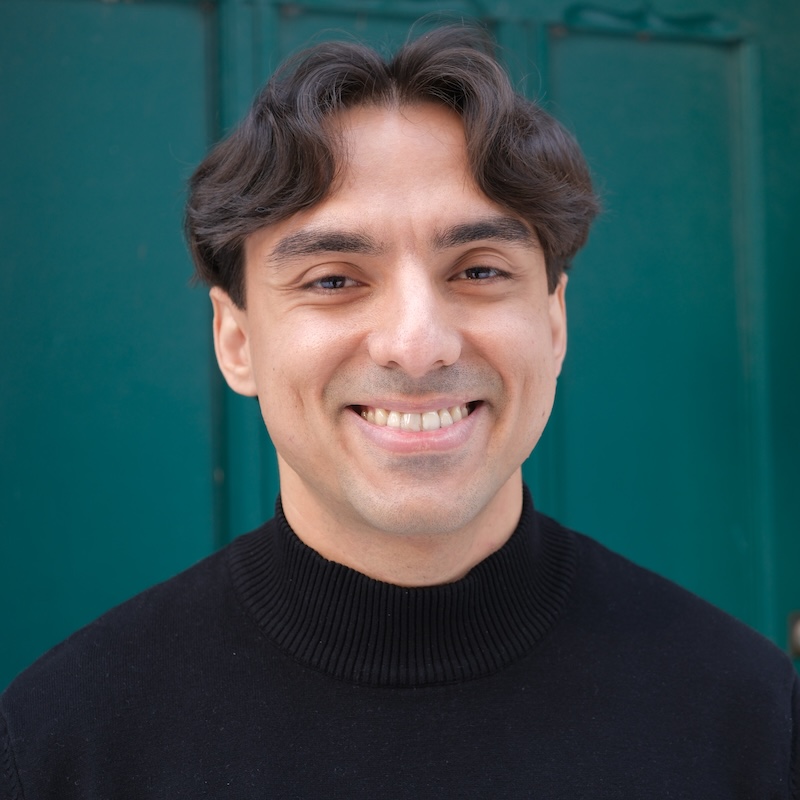
What if humans are just early AI?
Usually, this inquiry goes in the other direction! We, as humans, inevitably position ourselves (and even find ourselves positioned) at the center of everything (technology, innovation, science, art). This shapes how we relate to the things we create & perceive around us. We tend to ask, “what if AI is too similar to/or better than us one day”. But are we maybe more AI like than we realize? Is there some perspective that we are missing out on which could help re-position ourselves in relation to the technology of AI that can empower us?
A few observations:
- How many of the qualities we attribute to language models would change/disappear if the language models were to come in the form factor of a human being?
- “LLM’s are not creative!” many claim. We can’t even agree on what creativity is.
- If aliens were to come down to our world today, what would they see when they looked at us and the language models? Similarities, differences? Strengths, weaknesses? Which one appears more “ahead”?
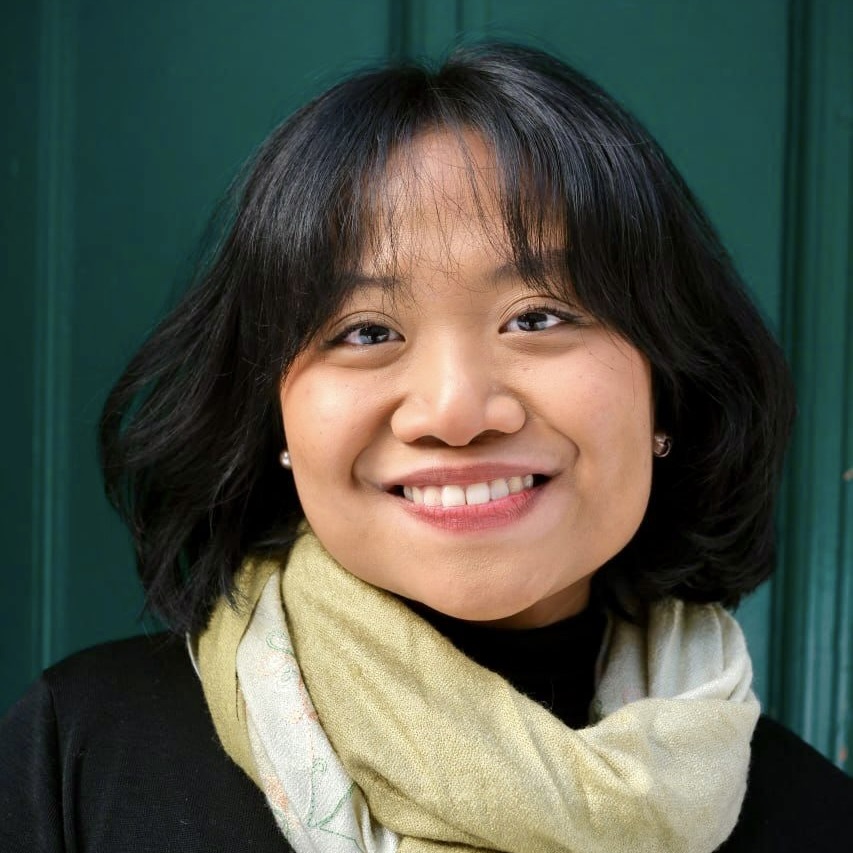
Exploring the temporalities of love and grief through the art of the handwritten letter
This project begins with a simple but open question: What makes a love letter?
It is a question I have been sitting with for eight years, ever since I discovered over sixty handwritten letters tucked inside an old medicine box in my father's childhood home in the Philippines—letters my mother wrote to him while they were long-distance in the 1990s. I encountered them almost a year after her death, and over a decade after his. I was 18, just beginning to learn what it means to love and to lose. Reading them, I understood that love is not a certainty but something patiently negotiated through time, distance, and doubt.
In the years since, I have found more traces: unsent drafts, printed email exchanges, a 1993 postcard my grandparents mailed from Montréal. Together, these form a small intergenerational record of how intimacy transforms as our means of communication do. Rather than preserving these materials as artifacts, I approach them as prompts for inquiry.
The project unfolds as a slow experiment: a simple letter-writing space where people are invited to write to a beloved—alive or deceased, real or imagined, human or not. They will not be asked to send their letters or explain them. I am interested in what the invitation itself stirs: hesitation, resistance, unexpected feeling, release. What emerges—in participants and in me—becomes part of the learning.
I expect the project to evolve rather than arrive at predetermined outcomes. It may take the form of workshops, emergent art-making (collage, handmade paper, cyanotype printing, bookbinding, collective poetry), or quiet sitting with the archive I am still learning to open.
Throughout, I remain attentive to individual peculiarities—the beauty of unique penmanship, the patterns in how we reach toward one another—and to the larger questions underneath: What would we say to a beloved if it were their last day? What do we ache for? What remains tangible across distance and loss?
At its core, this is also an act of remembrance—for my parents, and for my younger siblings, who were not yet teenagers when we became orphans, and who are still in the Philippines while I am here in Canada. I want them to feel, even across that distance, that being loved remains something you can hold in your hands.
.svg)